 CapiBrowser
· 4 min read
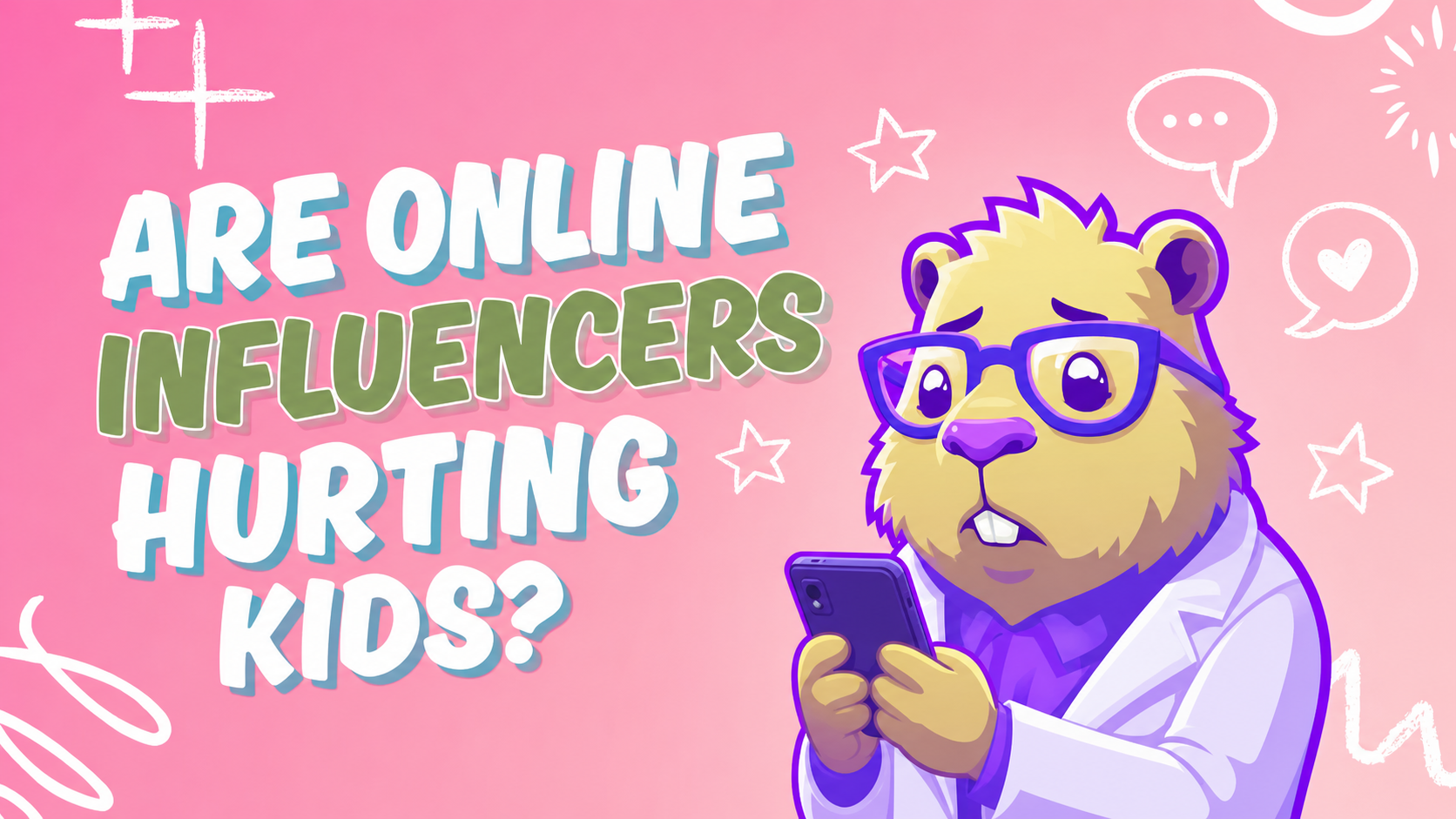
Are Online Influencers Hurting Kids?
Discover the potential risks of online influencers on kids' self-esteem and mental health
Why Online Influencers Can Be a Parent’s Worst Nightmare
As a parent, have you ever caught your child watching a video of someone they’ve never met, talking about products they’ve never used, and wondering why they’re so obsessed with this stranger? You’re not alone. Online influencers have become a staple of modern childhood, with millions of kids spending hours watching their favorite YouTubers, TikTokers, and Instagrammers. But beneath the surface of their charming personalities and entertaining content lies a complex web of potential risks that can affect your child’s self-esteem, mental health, and relationships with others.
The Potential Risks of Online Influencers for Kids
Research has shown that exposure to online influencers can have a profound impact on children’s self-esteem and body image. A study by the National Eating Disorders Association found that 70% of girls aged 13-17 reported feeling pressure to look perfect after seeing images of peers and celebrities on social media. Similarly, a study by the Pew Research Center found that 54% of teens aged 13-17 reported feeling overwhelmed by the drama and pressure to present a perfect image on social media. These statistics are alarming, and as a parent, it’s natural to worry about the potential risks of online influencers on your child’s mental health and well-being.
The Impact of Online Influencers on Kids’ Self-Esteem and Mental Health
So, what exactly happens when kids watch online influencers? For one, they’re often exposed to unrealistic expectations and beauty standards that can lead to feelings of inadequacy and low self-esteem. Additionally, online influencers often present a curated version of their lives, showcasing their successes and hiding their failures, which can create unrealistic expectations and promote consumerism. Furthermore, the constant stream of information and the pressure to keep up with the latest trends can lead to feelings of overwhelm and anxiety. As a parent, it’s essential to be aware of these potential risks and take steps to mitigate them.
Strategies for Parents to Mitigate the Risks of Online Influencers
So, what can you do to protect your child from the potential risks of online influencers? Here are some strategies to consider:
- Set limits on screen time and encourage physical activity and outdoor play
- Monitor the content your child is watching and have open conversations about the potential risks and benefits
- Encourage critical thinking and media literacy skills to help your child evaluate the information they’re consuming
- Promote positive role models and encourage your child to follow influencers who promote positive values and behaviors
- Foster a positive body image and self-esteem by promoting self-acceptance and self-love
Using CapiBrowser to Create a Safer Online Environment for Kids
One tool that can help you create a safer online environment for your child is CapiBrowser. With features like website and YouTube channel whitelists, you can control the content your child is exposed to and ensure they’re only watching trusted educational creators. The Gem Reward System also encourages kids to consume educational content and rewards them with gems that can be redeemed for entertainment content, promoting a healthy balance between learning and fun. By using CapiBrowser, you can block YouTube Shorts and set daily limits to ensure your child isn’t spending too much time online.
Conclusion and Next Steps
As a parent, it’s natural to feel concerned about the potential risks of online influencers on your child’s self-esteem and mental health. However, by being aware of these risks and taking steps to mitigate them, you can help create a safer online environment for your child. By setting limits, monitoring content, promoting critical thinking, and using tools like CapiBrowser, you can promote healthy digital habits and help your child develop a positive relationship with technology. If you’re looking for a practical way to put these ideas into action, you can download CapiBrowser for iOS and Android here: https://capibro.com/#download