 CapiBrowser
· 4 min read
Protect Kids from Cyberbullying
Keep your child safe from cyberbullying
The Shocking Truth About Cyberbullying
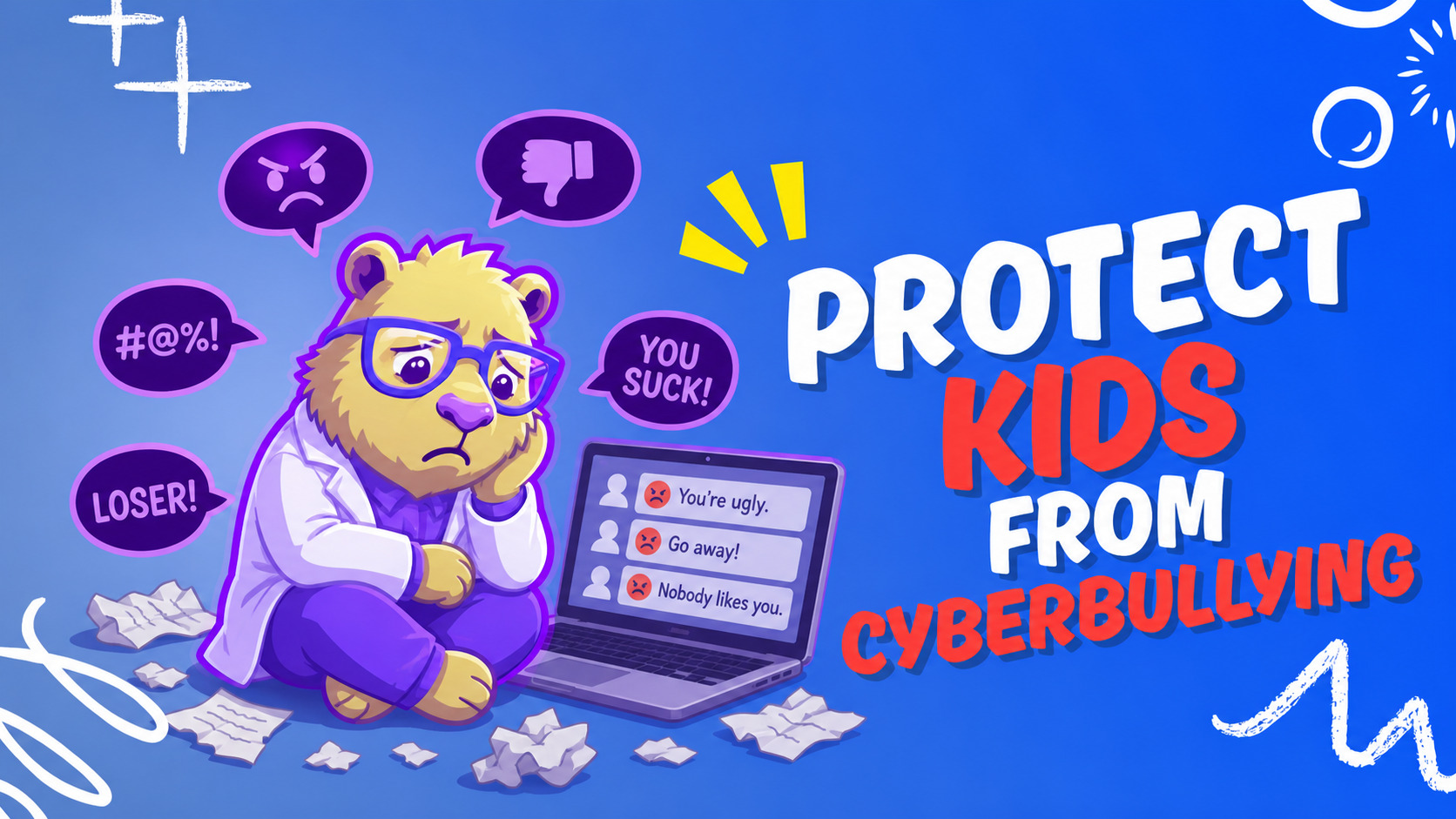
Imagine your child coming home from school, tears in their eyes, and a look of despair on their face. They’ve just been bullied online, and they don’t know how to cope. This is a reality for many children today. In fact, a staggering 36% of children have experienced cyberbullying at some point in their lives. You might be wondering what exactly cyberbullying entails and how it affects children’s mental health.
Uncovering the Impact of Cyberbullying
Cyberbullying can take many forms, from hurtful comments and messages to the spread of false information about someone. The effects of cyberbullying on children’s mental health are profound and can lead to increased anxiety, depression, and even suicidal thoughts. Children who experience cyberbullying may become withdrawn, lose interest in activities they once enjoyed, and struggle with their self-esteem. For example, a child who was once enthusiastic about sharing their artwork online may suddenly become hesitant to post anything, fearing negative comments or ridicule.
Why Cyberbullying Can Be So Devastating
One of the reasons cyberbullying can be so devastating is that it can be relentless. Children may feel like they can’t escape the bullying, even in their own homes. The constant stream of notifications and the fear of what might be posted about them online can create a sense of perpetual anxiety. Additionally, the anonymity of the internet can make it difficult for children to know who is behind the bullying, which can add to their fear and uncertainty. To make matters worse, cyberbullying can also be incredibly difficult for parents to detect, as children may be hesitant to talk about their experiences.
Identifying the Signs of Cyberbullying
So, how can you tell if your child is being cyberbullied? There are several signs to look out for, including:
- Changes in their behavior, such as becoming more withdrawn or irritable
- Becoming more secretive about their online activities, such as quickly closing their laptop or switching screens when you approach
- A decrease in their self-esteem, a loss of interest in activities they once enjoyed, and difficulty sleeping
- Unexplained changes in their mood, such as sudden outbursts of anger or sadness
Practical Strategies for Preventing Cyberbullying
There are several practical strategies you can use to help prevent cyberbullying. One of the most effective ways is to have open and honest conversations with your child about their online activities. Encourage them to talk to you if they experience or witness any form of bullying online. You can also set boundaries and limits on their screen time, such as setting daily time limits and monitoring their online activity. Here are some steps you can take:
- Set clear rules and expectations for online behavior
- Monitor their online activity without being overly intrusive
- Encourage open communication about their online experiences
- Teach them how to block or report bullying behavior
The Role of Technology in Promoting Healthy Digital Habits
Technology can also play a role in promoting healthy digital habits. For example, you can use tools like CapiBrowser to monitor and control your child’s online activity. CapiBrowser allows you to set daily screen time limits, block harmful content, and encourage your child to consume educational and productive content. By using technology in a positive way, you can help your child develop healthy digital habits and reduce their risk of experiencing cyberbullying.
Taking Action to Protect Your Child
Taking action to protect your child from cyberbullying requires a combination of awareness, communication, and action. By understanding the impact of cyberbullying, identifying the signs, and using practical strategies to prevent it, you can help your child stay safe online. Remember, it’s essential to approach the conversation with your child in a gentle and non-judgmental way, and to be patient and understanding as they navigate the complexities of the online world.
Encouragement and Next Steps
If you’re concerned about your child’s online safety and want to take steps to protect them, consider downloading CapiBrowser. This tool can help you monitor and control your child’s online activity, set daily screen time limits, and encourage them to consume educational and productive content. By taking proactive steps to promote healthy digital habits, you can help your child stay safe online and reduce their risk of experiencing cyberbullying. You can download CapiBrowser for iOS and Android at https://capibro.com/#download.